- Special Dietary Needs for Pets
- Weight Management for Pets
- Portion Control Tips for Pets
Mastering Portion Control for Your Pets
Explore essential tips and recipes for managing portion control in your pets' diets, focusing on natural ingredients and nutrition.
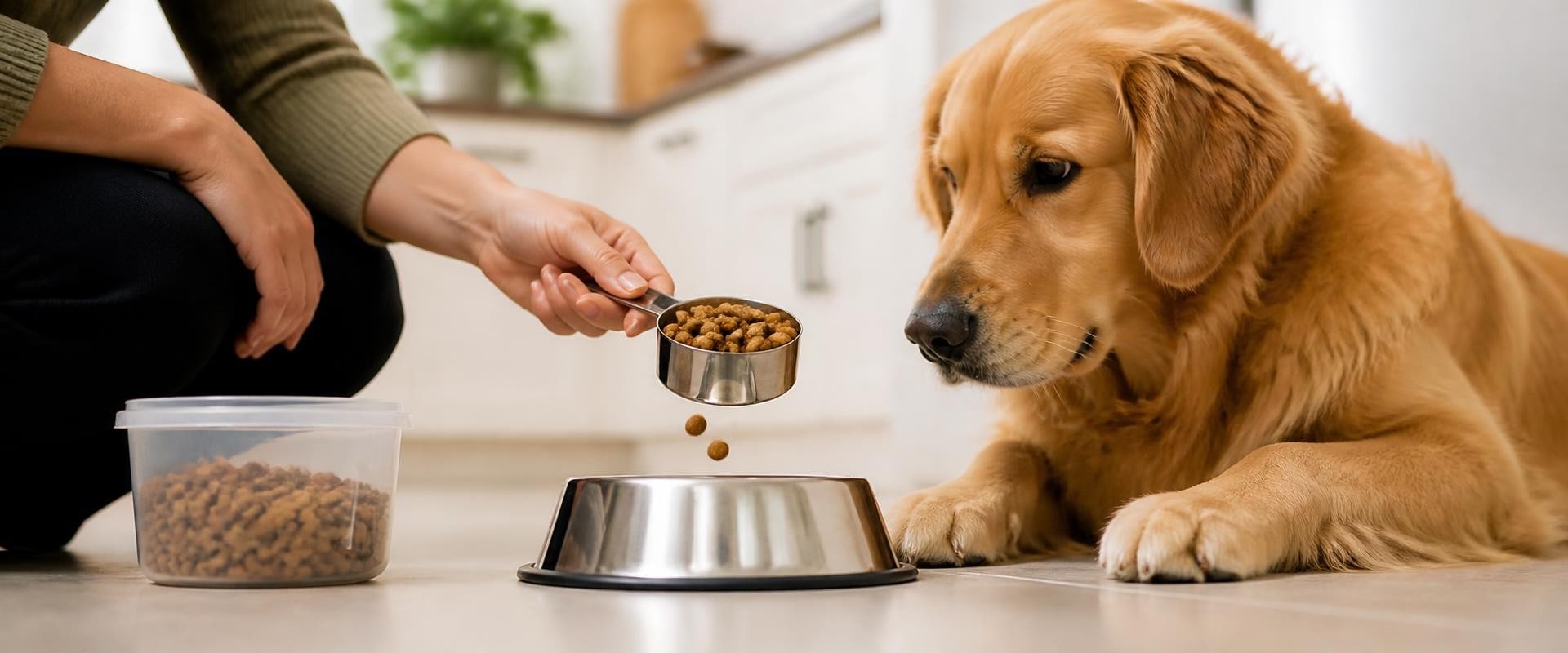
As pet owners, we all want the best for our furry companions. However, with the increasing prevalence of obesity and weight-related health issues in pets, mastering Portion Control for Your Pets has never been more crucial. Just like humans, our pets can struggle with maintaining a healthy weight, leading to a variety of health complications that can shorten their lifespan and diminish their quality of life. Many pet owners are unaware that even slight adjustments in their pets' feeding routines can make a significant difference in their overall health and well-being. Understanding how to properly manage portions is essential not only for maintaining a healthy weight but also for ensuring that our pets receive the right amount of nutrients they need to thrive. In this article, we will delve into practical Portion Control Tips for Pets that will empower you to take charge of your pet's diet.
Whether you have a playful puppy or a seasoned senior, these tips will help you navigate the sometimes confusing world of pet nutrition and portion sizes. Join us as we explore effective strategies for monitoring your pet’s food intake, understanding dietary requirements, and implementing portion control techniques that will promote healthy habits. Your journey to better pet health starts here!Portion Control Tips for Pets are essential for maintaining a healthy weight and ensuring a long, happy life for your furry friends. Understanding your pet's nutritional needs is crucial, and this varies significantly based on factors such as age, size, and activity level. For instance, a young, energetic Labrador Retriever will have different dietary requirements compared to a senior Chihuahua who enjoys lounging on the couch.
Larger breeds typically require more calories, but they also need to be monitored closely to prevent obesity, which is a common concern among pet owners. Different species also have unique portion sizes. Cats, being obligate carnivores, may thrive on higher protein diets compared to dogs, which can be more omnivorous in nature. A healthy portion for a cat might be around 1/4 to 1/2 cup of dry food daily, while a medium-sized dog could require 1 to 3 cups of food depending on their specific needs. This variance emphasizes the importance of tailoring your pet's diet to their individual characteristics. To ensure accurate measurement of food portions, practical tips can be incredibly helpful.
Using kitchen scales can provide precise measurements in grams, which is particularly beneficial when following specific dietary guidelines. Alternatively, measuring cups can also be effective; however, it's essential to use the same cup consistently as the volume can differ between different types of food. Many pet owners make the common mistake of using random containers or guessing portion sizes, leading to overfeeding—a significant risk factor for obesity in pets. Overfeeding not only contributes to excess weight but can also lead to serious health issues such as diabetes and joint problems. It's critical to understand that treats and snacks should also be factored into daily caloric intake.
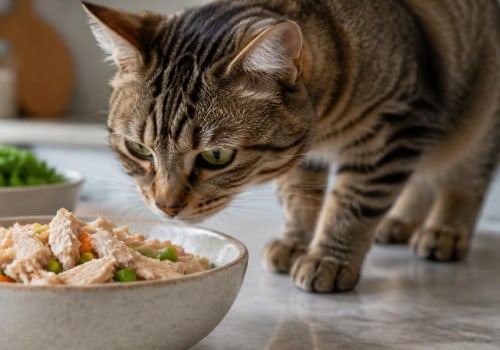
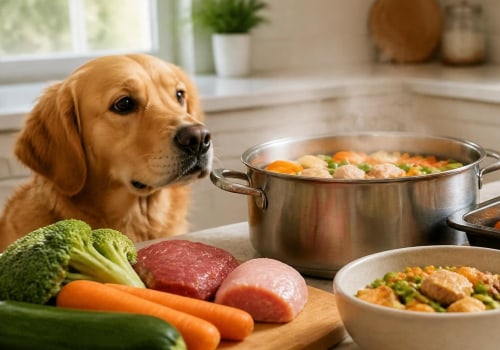
The general guideline is that treats should make up no more than 10% of your pet's total daily calories. In light of rising interest in natural diets for pets, many owners are considering homemade meals versus commercial options. Providing natural pet food recipesnatural pet food recipes tailored for dogs and cats can be an excellent way to ensure they receive nutritious ingredients without harmful additives. For dogs, a simple recipe could include lean ground turkey, brown rice, and carrots—cooked thoroughly and proportioned according to their size and activity level. For cats, a mixture of cooked chicken breast with steamed broccoli may offer a tasty alternative rich in protein. When preparing homemade meals, it's essential to choose high-quality ingredients that cater to specific dietary needs.
Look for fresh produce and high-quality meats that are free from preservatives and fillers. Additionally, consulting with a veterinarian or a pet nutritionist can help create balanced meals that meet all of your pet's nutritional requirements. It's important to address potential concerns or misconceptions about homemade diets versus commercial pet foods. Some pet owners worry that homemade meals may lack essential nutrients that commercial foods provide. However, research has shown that with careful planning and the right ingredients, homemade diets can meet all of a pet's nutritional needs.
Experts often recommend including a variety of protein sources, healthy fats, fiber from vegetables, and necessary vitamins and minerals. In conclusion, mastering portion control for your pets is vital for their overall health and well-being. By understanding their unique nutritional needs based on age, size, and activity level, accurately measuring food portions, and considering natural recipes tailored to their specific requirements, pet owners can significantly improve their pets' quality of life. Making informed dietary choices helps prevent obesity and promotes longevity in our beloved animals.
Understanding Your Pet's Nutritional Needs
When it comes to portion control for your pets, understanding their unique nutritional needs is essential. Several factors influence the dietary requirements of your furry friends, including age, weight, and health conditions.Each of these elements plays a crucial role in determining how much and what type of food is appropriate for your pet.
Age
is a significant factor in defining your pet's dietary needs. Puppies and kittens require more calories and nutrients to support their rapid growth and development. As they transition into adulthood, their caloric requirements typically decrease. Senior pets, on the other hand, may benefit from diets that are lower in calories but rich in fiber to support digestion and maintain a healthy weight. Your pet's weight also directly impacts their nutritional needs.Overweight pets may require a calorie-restricted diet to promote weight loss, while underweight animals need nutrient-dense foods to help them gain weight safely. Regular check-ups with your veterinarian can help you monitor your pet's weight and adjust their diet accordingly. Lastly, any existing health conditions can significantly affect your pet’s dietary requirements. Pets with conditions such as diabetes, kidney disease, or food allergies may need specialized diets to manage their health effectively. Always consult with your veterinarian before making significant changes to your pet's diet, especially if they have underlying health issues. By taking into account these factors—age, weight, and health conditions—you can better understand how to control portions and provide a balanced diet that meets your pet's individual needs.
Choosing Safe Ingredients
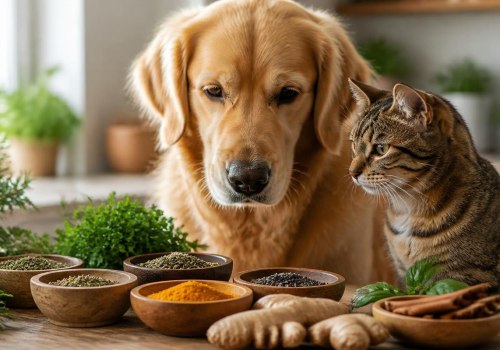
When it comes to portion control for pets, choosing the right ingredients is crucial for their health and well-being.Many pet owners may not realize that not all foods are safe for their furry friends. Understanding which ingredients are beneficial and which should be avoided can significantly impact your pet's overall health.
Safe Ingredients:
Incorporating safe ingredients into your pet's diet is essential for maintaining their health. Some of the best options include:- Lean meats like chicken, turkey, and fish
- Vegetables such as carrots, peas, and spinach
- Whole grains like brown rice and oats
- Fruits like apples (without seeds), blueberries, and bananas
- Healthy fats such as fish oil or flaxseed oil
Ingredients to Avoid:
On the flip side, there are several ingredients that you should steer clear of when preparing meals for your pets:- Chocolate, which is toxic to pets
- Onions and garlic, known to cause gastrointestinal issues
- Grapes and raisins, which can lead to kidney failure
- Xylitol, a sweetener that is harmful to dogs
- Processed foods high in sugar and salt
Measuring Portions Accurately
Accurate portion control is essential for maintaining your pet's health and managing their weight effectively.To achieve this, it's crucial to utilize the right kitchen tools that can help you measure food portions precisely. Here are some effective tips to ensure you are measuring your pet's meals accurately:1.Use a Kitchen Scale: A digital kitchen scale is one of the best tools for measuring your pet's food. Weighing their meals allows for precise portioning based on their specific dietary needs. Ensure you zero out the scale with the bowl before adding food to get an accurate measurement.
2.Measuring Cups:
If a kitchen scale isn't available, measuring cups can be a good alternative.Use standardized measuring cups to serve the correct amount of dry or wet food. Be consistent with the type of cup you use, as different sizes can lead to inaccuracies.
3.Portion Control Bowls:
Consider investing in portion control bowls designed specifically for pets. These bowls often come with markings indicating the appropriate serving sizes based on your pet's weight and dietary requirements.4.Pre-portion Meals:
To streamline feeding times and ensure accuracy, pre-portion your pet's meals for the week. Use small containers or zip-lock bags to store individual servings, making it easy to grab the right amount when it's time to feed.5.Follow Feeding Guidelines:
Always refer to the feeding guidelines provided by your pet's food manufacturer.These guidelines offer valuable insights into how much food your pet should be eating based on their size, age, and activity level. By implementing these tips for measuring portions accurately, you can take a significant step towards ensuring your pet maintains a healthy weight and enjoys a balanced diet.
Homemade vs. Commercial Pet Foods
When it comes to choosing the right diet for your furry friend, the debate between homemade pet foods and commercial pet foods is one that many pet owners face. Each option has its own set of advantages and disadvantages that can impact your pet's health and well-being.Homemade pet foods
allow you to have complete control over what your pet consumes. You can ensure that their diet is tailored to their specific needs, avoiding harmful additives and preservatives often found in commercial products.Additionally, many owners find that preparing meals at home can be a rewarding experience, fostering a deeper bond with their pets. However, making homemade meals requires time, effort, and a solid understanding of your pet's nutritional requirements. It’s crucial to consult with a veterinarian or a pet nutritionist to ensure that your recipes are balanced and meet all of your pet’s dietary needs. Without proper guidance, there is a risk of nutritional deficiencies. On the other hand, commercial pet foods offer convenience and are formulated to meet the nutritional standards set by regulatory bodies. These products are often convenient for busy pet owners and come with detailed feeding guidelines.
Many reputable brands invest in research and development to create balanced diets that cater to various life stages and health conditions. Nevertheless, not all commercial foods are created equal. Some may contain low-quality ingredients or fillers that do not contribute to your pet's health. It’s essential to read labels carefully and choose high-quality brands that prioritize real meat, whole grains, and vegetables. In conclusion, the choice between homemade and commercial pet foods ultimately depends on your lifestyle, commitment, and your pet's specific needs. Consulting with a veterinary professional can help you navigate this decision effectively, ensuring that your beloved companion maintains a healthy weight and overall well-being.
Common Mistakes in Portion Control
When it comes to feeding our furry friends, many pet owners inadvertently make common mistakes that can hinder their efforts in achieving proper portion control.Understanding these errors is crucial for ensuring our pets maintain a healthy weight and overall well-being. One of the most frequent mistakes is overestimating portion sizes. Many pet owners believe they are providing the right amount of food based on outdated guidelines or personal perceptions. This can lead to overfeeding, which contributes significantly to obesity in pets. It's essential to consult with a veterinarian to determine the appropriate portion sizes based on your pet's specific needs, age, and activity level. Another common error is not accounting for treats and snacks.
Treats can often be overlooked when calculating daily caloric intake. Pet owners may give several treats throughout the day without realizing how quickly those calories add up, leading to an unintentional increase in overall food consumption. It’s important to factor in treats when planning meals and consider healthier options that align with their dietary needs. Additionally, many owners tend to feed their pets at irregular intervals. Establishing a consistent feeding schedule helps regulate your pet's metabolism and prevents them from becoming overly hungry, which can lead to overeating.
Regular meal times also help pets develop a routine, making it easier for both the owner and the pet. Lastly, some pet owners may not pay attention to their pet’s body condition score. Regularly assessing your pet's weight and body condition can help identify whether portion sizes need adjustment. If your pet is gaining weight or appears overweight, it may be time to reconsider their feeding practices. Avoiding these common mistakes is key to mastering portion control and ensuring that your pets enjoy a healthier lifestyle. By being mindful of portion sizes, treats, feeding schedules, and body condition, you can help your furry companions thrive.
Natural Pet Food Recipes
Creating homemade meals for your pets can be an excellent way to control their portions while ensuring they receive high-quality nutrition.Below are some easy-to-follow recipes for both dogs and cats, each highlighting the nutritional benefits of their ingredients.
Recipe 1: Chicken and Vegetable Stew for Dogs
This hearty stew is packed with protein and vitamins. Combine 1 cup of diced chicken breast, 1/2 cup of carrots, 1/2 cup of peas, and 1 cup of low-sodium chicken broth. Cook until the chicken is thoroughly cooked and vegetables are tender. Chicken provides lean protein, while carrots and peas offer essential vitamins and fiber.Recipe 2: Salmon and Sweet Potato for Dogs
Mix 1 can of salmon (in water, drained) with 1 cup of cooked sweet potato.This dish is rich in omega-3 fatty acids from the salmon, which promote healthy skin and coat, and sweet potatoes provide dietary fiber and antioxidants.
Recipe 3: Tuna and Pumpkin Mix for Cats
Combine 1 can of tuna (in water, drained) with 1/4 cup of canned pumpkin (not the spiced pie filling). Tuna is a great source of protein, while pumpkin aids in digestion and is high in fiber.Recipe 4: Turkey and Rice for Cats
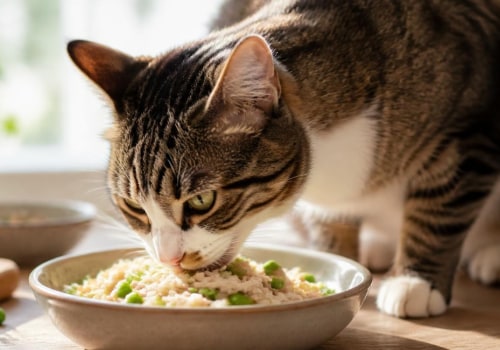
Cook 1 cup of ground turkey until browned, then mix with 1/2 cup of cooked brown rice. Turkey is a lean protein source that helps maintain muscle mass, and brown rice provides energy along with fiber.Recipe 5: Beef and Carrot Mash for Dogs
Brown 1 cup of ground beef (preferably lean) and mix it with 1/2 cup of mashed carrots. Beef is a rich source of iron and essential amino acids, while carrots provide vitamins A and C.These recipes not only help in managing your pet's weight through portion control, but also ensure they enjoy a variety of flavors while receiving balanced nutrition.Always consult with your veterinarian before making significant changes to your pet's diet.
Understanding Your Pet's Nutritional Needs
Understanding your pet's nutritional needs is essential for effective portion control. Various factors influence how much food your pet requires, and recognizing these elements can help ensure a healthy diet tailored to your furry friend. First and foremost, age plays a significant role in determining dietary requirements. Puppies and kittens have different nutritional needs compared to adult or senior pets. Younger animals typically require more calories and nutrients to support their growth and development, while older pets may need fewer calories as their metabolism slows down.Weight
is another critical factor.Overweight pets may need to reduce their caloric intake to achieve a healthier weight, while underweight pets may require additional calories to gain weight. It's important to consult with a veterinarian to establish a target weight and appropriate portion sizes for your pet. Additionally, specific health conditions can also affect dietary needs. Pets with diabetes, kidney disease, or food allergies may require special diets or restricted portions. Tailoring your pet’s diet according to any existing health issues is crucial for their overall well-being. By considering these factors—age, weight, and health conditions—you can make informed decisions about how much food to provide, ultimately supporting your pet's health through proper portion control.
Understanding Your Pet's Nutritional Needs
When it comes to portion control for pets, understanding your pet's nutritional needs is crucial.Each pet is unique, and several factors can influence their dietary requirements. These factors include age, weight, activity level, and any existing health conditions. For instance, puppies and kittens have different nutritional needs than adult or senior pets. Growing pets require more calories and specific nutrients to support their rapid development. Conversely, senior pets may need fewer calories to prevent weight gain and may benefit from diets that support joint health. Your pet’s weight also plays a significant role in determining their diet.
Overweight pets often require a calorie-restricted diet to help them shed extra pounds, while underweight pets may need a higher-calorie diet to gain weight healthily. Health conditions such as diabetes, allergies, or kidney disease can further complicate your pet's dietary requirements. For example, diabetic pets need a diet lower in carbohydrates, while pets with food allergies require specially formulated foods that exclude certain ingredients. Consulting with your veterinarian is essential to tailor a diet that meets your pet's specific needs. In summary, understanding these factors will help you make informed decisions about your pet's portion sizes and overall diet, promoting better health and well-being for your furry companion. In conclusion, portion control is essential for maintaining your pet's overall health and well-being. By understanding your pet's nutritional needs and accurately measuring their food, you can prevent obesity and promote a longer, happier life for your furry friend.
It is crucial for pet owners to be proactive about their pets' diets, making informed choices that can significantly impact their health. We encourage you to explore the homemade pet food recipes provided and experiment with them, as they can offer a nutritious alternative to commercial options while allowing you to control the quality of ingredients. Remember, the choices you make today regarding your pet's diet will lead to a brighter and healthier future for them. By being diligent about portion control and focusing on natural ingredients, you are setting the foundation for a healthier lifestyle for your beloved pets. Happier pets lead to happier owners!.