- Pet Nutrition Tips
- General Nutrition Tips
- Choosing the Right Pet Food
Finding the Perfect Natural Pet Food for Your Furry Friends
Explore healthy meal options and recipes for pets, focusing on natural ingredients and nutritional advice to benefit your dog or cat.
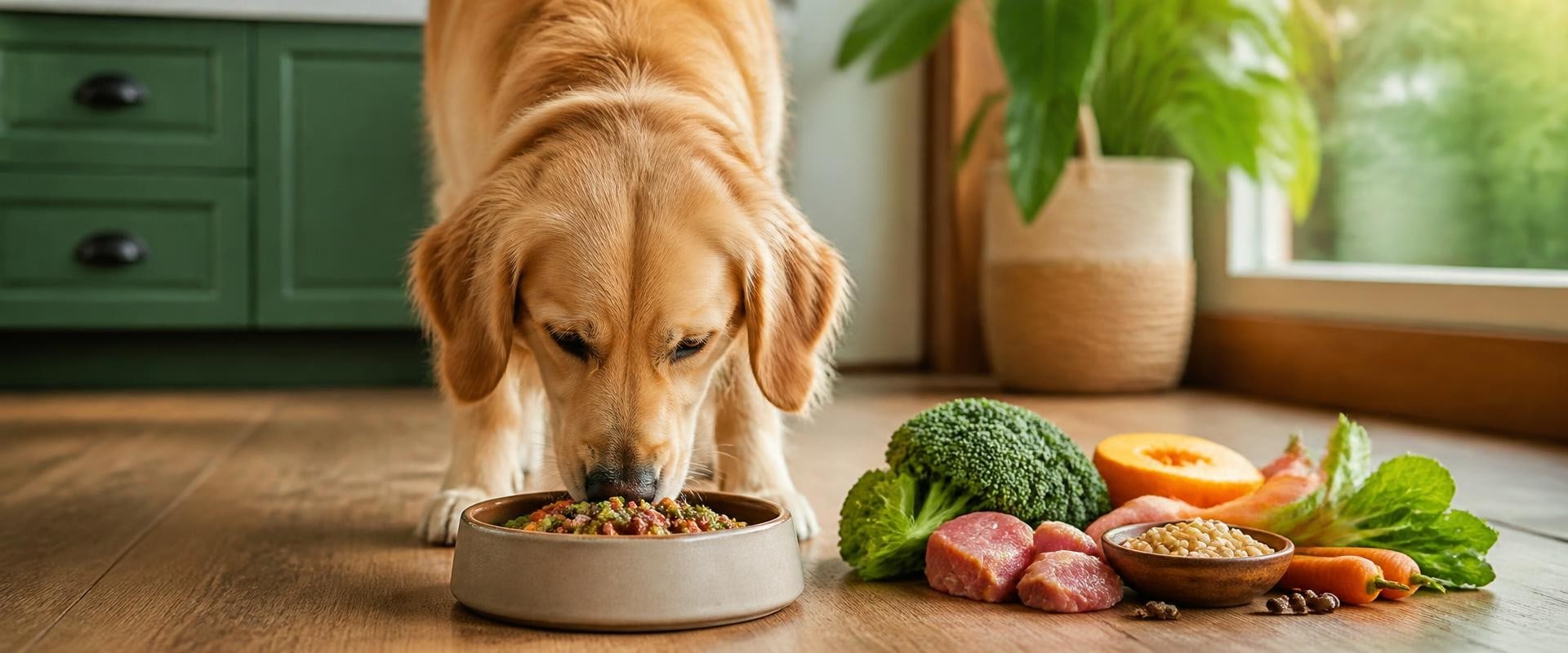
As a loving pet owner, you want nothing but the best for your furry companions. With the vast array of options available in the market today, choosing the right pet food can feel overwhelming. Every pet is unique, and their nutritional needs can vary significantly based on factors such as age, breed, size, and activity level. This is where understanding the importance of natural pet foodnatural pet food comes into play.
In this article, we will guide you through the essential considerations for selecting the perfect natural pet food that aligns with your pet's specific requirements. From understanding ingredient labels to recognizing the benefits of a balanced diet, we aim to empower you with knowledge that will enhance your pet's health and well-being. Join us on this journey to uncover the secrets of optimal pet nutrition and ensure that your beloved animals thrive with every meal they enjoy. When it comes to In this article, we will guide you through the essential considerations for selecting the perfect natural pet food that aligns with your pet's specific requirements. From understanding ingredient labels to recognizing the benefits of a balanced diet, we aim to empower you with knowledge that will enhance your pet's health and well-being. Join us on this journey to uncover the secrets of optimal pet nutrition and ensure that your beloved animals thrive with every meal they enjoy. When it comes to choosing the right pet food, many pet owners are increasingly recognizing the numerous benefits of natural pet food compared to commercial options. Natural pet food is often fresher, made with whole ingredients that can enhance a pet's overall health. Unlike many commercial brands that may contain artificial preservatives, fillers, and by-products, natural food prioritizes quality and nutrition, ensuring that furry friends receive the best possible diet. The advantages of feeding pets natural food are plentiful.
These diets can lead to improved digestion, healthier skin and coat, increased energy levels, and even better behavior. Additionally, as more pet owners become aware of their pets' dietary needs, there's a growing trend toward homemade pet food, allowing for customization based on specific dietary requirements. To create a balanced diet for dogs and cats, it's essential to understand the key nutrients required in their meals. Both dogs and cats need a good source of protein, which is vital for muscle development and overall health. Sources of protein can include lean meats like chicken, beef, and fish.
Carbohydrates provide energy, so including whole grains like brown rice or oats is beneficial. Healthy fats, such as those found in fish oil or flaxseed oil, support skin health and provide essential fatty acids. Vitamins and minerals are also crucial in pet nutrition. Dogs and cats require vitamins A, D, E, and K, as well as various B vitamins for optimal health. Minerals like calcium and phosphorus are necessary for strong bones and teeth.
A well-rounded diet that includes a variety of natural ingredients can help ensure pets receive these vital nutrients. However, not all ingredients are safe for pets. Owners should be aware of common toxic foods such as chocolate, onions, garlic, grapes, and raisins. Other ingredients like corn and soy can cause allergies in some pets. Therefore, it's important to carefully choose ingredients that promote health while avoiding those that could pose risks. For those interested in making their own pet food at home, here are a few simple recipes to get started:For dogs: Combine 1 pound of ground turkey with 1 cup of chopped carrots, 1 cup of peas, and 1/2 cup of pumpkin puree.
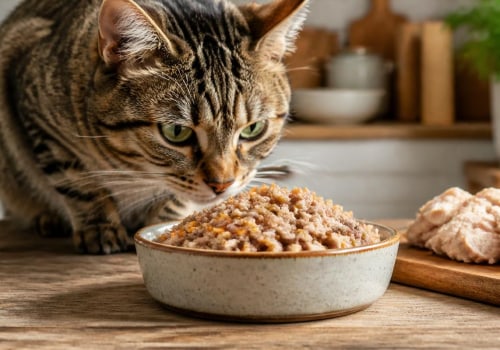
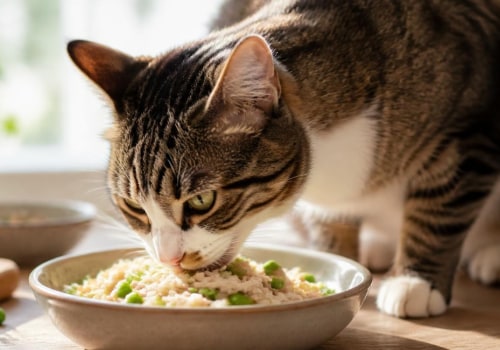
Cook until the turkey is browned and the vegetables are tender. Let it cool before serving. This recipe is not only nutritious but also easy to prepare and store in the fridge for several days. For cats: Mix 1/2 cup of canned tuna in water (drained), 1/4 cup of cooked quinoa, and 1/4 cup of finely chopped spinach. This meal provides a tasty treat packed with protein and essential nutrients that cats love. When preparing homemade meals, it's important to consider special dietary needs based on your pet's health conditions.
For instance, pets with allergies may require a limited ingredient diet focusing on novel proteins such as rabbit or venison. Overweight pets might benefit from lower-calorie meals with plenty of vegetables to help them feel full without adding excess calories. Senior pets may need diets higher in certain nutrients like omega fatty acids to support joint health. Despite the many benefits associated with homemade pet food, there are misconceptions that can deter owners from making the switch. Some people believe that homemade diets lack balance or are time-consuming to prepare.
However, with proper research and planning, pet owners can create balanced meals that suit their pets' needs without excessive time commitment. Many success stories exist about pet owners who have transitioned from commercial brands to homemade diets. One owner shared how their dog’s skin allergies significantly improved after switching to a natural diet tailored to his specific needs. Another reported increased energy levels in an aging cat who was given fresh food instead of processed options. In conclusion, the journey towards choosing the right pet food requires thoughtful consideration of nutritional value and individual needs. By embracing natural pet food options and incorporating homemade meals into their pets' diets, owners can foster a deeper bond with their furry companions while promoting their overall well-being.
The Benefits of Natural Pet Food
Feeding your pet natural food comes with a multitude of benefits that can significantly enhance their overall health and well-being.One of the primary advantages is better digestion. Natural pet foods are often free from artificial additives, fillers, and preservatives, which can cause digestive issues in pets. By providing your furry friend with wholesome, minimally processed ingredients, you allow their digestive system to function more effectively, leading to fewer gastrointestinal problems. Additionally, many pet owners notice improved energy levels in their pets after switching to natural food. This is largely due to the high-quality protein and nutrients found in natural ingredients, which provide sustained energy throughout the day.
Pets that receive adequate nutrition from natural sources tend to be more active and playful, contributing to a healthier lifestyle. Another significant benefit of natural pet food is the impact it has on a pet's coat and skin health. Feeding your pet a diet rich in essential fatty acids and nutrients can lead to a healthier coat, reducing issues like dry skin and excessive shedding. A shiny, vibrant coat is often a reflection of a pet's internal health, and choosing natural food is an excellent step toward achieving that.
Transitioning to Homemade Meals
Transitioning your pet from commercial food to homemade meals can be a rewarding experience, but it must be done carefully to avoid digestive upset.Gradual Introduction
is key; start by mixing a small amount of homemade food with their regular diet.This allows their digestive system to adjust gradually. Over the course of 7 to 10 days, slowly increase the proportion of homemade food while decreasing the commercial food. Monitor your pet’s reaction closely during this time. Look for any signs of gastrointestinal distress such as vomiting or diarrhea. Another important factor is Ingredient Variety. Ensure that you are using a variety of ingredients in your homemade meals to provide balanced nutrition.
Incorporate proteins, vegetables, and healthy fats, and consider consulting with a veterinarian or a pet nutritionist to create a well-rounded diet. Additionally, be mindful of Portion Control. Homemade meals can be richer than commercial options, so it's important to adjust portion sizes accordingly. Keeping an eye on your pet's weight will help prevent obesity. Finally, maintain consistency in feeding schedules. Establishing a routine will help your pet adapt more easily to the new diet.
Remember, patience is essential during this transition period.
Safe Ingredients: What to Include and What to Avoid
When it comes to choosing the right pet food, understanding safe ingredients is crucial for the health and well-being of your furry friends. Incorporating the right components into homemade pet meals can significantly enhance their nutrition and overall vitality. Safe ingredients to consider include:- Lean Proteins: Options like chicken, turkey, and fish are excellent sources of protein that support muscle growth and energy levels.
- Whole Grains: Ingredients such as brown rice and quinoa provide essential carbohydrates for sustained energy.
- Fruits and Vegetables: Carrots, blueberries, and spinach are packed with vitamins, minerals, and antioxidants that promote a strong immune system.
- Healthy Fats: Sources like fish oil and flaxseed oil can improve coat health and support brain function.
- Chocolate: Contains theobromine, which is toxic to dogs and cats.
- Onions and Garlic: These can damage red blood cells in pets, leading to anemia.
- Grapes and Raisins: Even small amounts can cause kidney failure in dogs.
- Xylitol: A sweetener found in sugar-free products, it can lead to insulin release and liver failure in dogs.
Addressing Specific Health Needs
When it comes to choosing the right pet food, it is essential to consider your furry friend's unique health needs. Each pet is different, and their dietary requirements can vary based on age, breed, activity level, and specific health conditions.By adapting recipes to meet these needs, you can ensure that your pet receives the best nutrition possible. For pets with food allergies or sensitivities, it's crucial to identify the ingredients that may cause adverse reactions. Common allergens include grains, dairy, and certain proteins. To cater to these pets, consider using alternative protein sources such as duck, rabbit, or venison. These options are often less likely to trigger allergies.
Additionally, grain-free recipes that utilize vegetables like sweet potatoes or peas can provide essential carbohydrates without the risk of allergic reactions. If your pet has specific health conditions such as diabetes or obesity, adjusting their diet can make a significant difference. For diabetic pets, focus on low-glycemic ingredients that help regulate blood sugar levels. Incorporate lean proteins and healthy fats while avoiding high-carbohydrate ingredients. For overweight pets, consider recipes that are rich in fiber and low in calories to promote satiety without overfeeding. Older pets may also require special attention when it comes to nutrition.
As they age, their metabolism slows down, and they may need diets that support joint health and cognitive function. Look for recipes that include ingredients like omega-3 fatty acids from fish oil and antioxidants from fruits and vegetables to help maintain their overall health. Ultimately, consulting with a veterinarian before making significant changes to your pet's diet is always a wise decision. They can provide tailored advice based on your pet's specific health requirements and help you create a balanced diet that meets their needs.
Essential Nutrients for Dogs and Cats
When it comes to providing the best for our furry friends, understanding the essential nutrients required for optimal health is crucial. Just like humans, pets need a balanced diet that includes a variety of nutrients to thrive.The primary categories of these nutrients include proteins, fats, carbohydrates, vitamins, and minerals.
Proteins
are vital for the growth and maintenance of body tissues. Dogs and cats require a protein-rich diet that includes sources such as chicken, beef, fish, and eggs. These proteins provide essential amino acids that support their overall health.Fats
are another important component of a pet’s diet, providing energy and supporting cell structure. Healthy fats, including omega-3 and omega-6 fatty acids, can be found in fish oil and flaxseed oil.These fats contribute to a shiny coat and healthy skin.
Carbohydrates
serve as a source of energy and can be found in grains, vegetables, and fruits. While not all pets require a high carbohydrate intake, incorporating whole grains like brown rice or oats can aid digestion and provide additional nutrients.Vitamins
and minerals play essential roles in maintaining various bodily functions. Vitamins such as A, D, E, and K are crucial for vision, bone health, and immune function. Minerals like calcium and phosphorus are important for strong bones and teeth.Including a variety of fruits and vegetables in homemade meals can help ensure that pets receive these necessary vitamins and minerals. To incorporate these nutrients into your pet's meals effectively, consider creating homemade recipes that balance these components. For example, a meal could consist of lean meat as the protein source, vegetables for vitamins and minerals, and healthy fats from fish oil. Always consult with a veterinarian or a pet nutritionist when making significant changes to your pet's diet to ensure that their specific needs are met.
Delicious Recipes for Your Pets
Creating homemade pet food can be a rewarding experience for both you and your furry friends. Here are some easy-to-follow recipes that are not only delicious but also packed with essential nutrients to keep your pets healthy and happy.Recipe 1: Chicken and Rice for Dogs
Ingredients:
- 1 cup of brown rice
- 1/2 cup of chopped carrots
- 1/2 cup of peas
- 1 pound of boneless, skinless chicken breast
- 4 cups of water
Instructions:
1.In a large pot, combine the rice, carrots, peas, chicken, and water.
2.Bring to a boil, then reduce heat and simmer for about 30 minutes.
3.Remove the chicken, shred it, and return it to the pot.
Let it cool before serving to your dog.
Recipe 2: Tuna Delight for Cats
Ingredients:
- 1 can of tuna in water, drained
- 1/4 cup of plain yogurt
- 1/4 cup of finely chopped spinach
- 1/4 teaspoon of fish oil (optional)
Instructions:
1.In a bowl, mix the tuna, yogurt, spinach, and fish oil until well combined.
2.Serve it fresh or store in the fridge for up to three days.
Recipe 3: Sweet Potato and Green Bean Mash for Dogs
Ingredients:
- 1 large sweet potato, peeled and diced
- 1 cup of green beans, chopped
- 1 tablespoon of olive oilInstructions:
1.Boil the sweet potato until tender, about 15 minutes.
2.Add the green beans during the last five minutes of cooking.
3.Drain and mash together with olive oil before serving.
Recipe 4: Salmon Feast for Cats
Ingredients:
- 1 can of salmon in water, drained
- 1/4 cup of cooked quinoa
- A pinch of catnip (optional)
Instructions:
1.In a bowl, combine the salmon and quinoa.
2.Sprinkle catnip on top for an extra treat!These recipes are designed to provide a well-rounded diet for your pets while being simple to prepare. Always consult with your veterinarian before making significant changes to your pet's diet to ensure their specific needs are met. In conclusion, choosing natural pet food for your furry friends can significantly enhance their health and well-being. As we discussed, the benefits of natural ingredients not only provide essential nutrients for dogs and cats, but they also allow pet owners to tailor meals to meet specific dietary needs. With the growing trend towards homemade meals, you have the power to control what goes into your pet's food, ensuring they receive safe and wholesome ingredients. Remember that your pets are not just animals; they are beloved members of your family.
The emotional bond you share with them makes it all the more rewarding to invest time in preparing their meals. By considering their individual needs and preferences, you can create delightful recipes that contribute to their overall health and happiness. As you transition to homemade meals, take it one step at a time, keeping in mind the joy that comes from nurturing your pet’s nutrition. Embrace this journey, knowing that every meal you prepare is an act of love.